 Pasadena Perinatal Therapy
 Pasadena Perinatal Therapy
Blog
Healing After Baby’s Delivery Didn’t Go as Planned
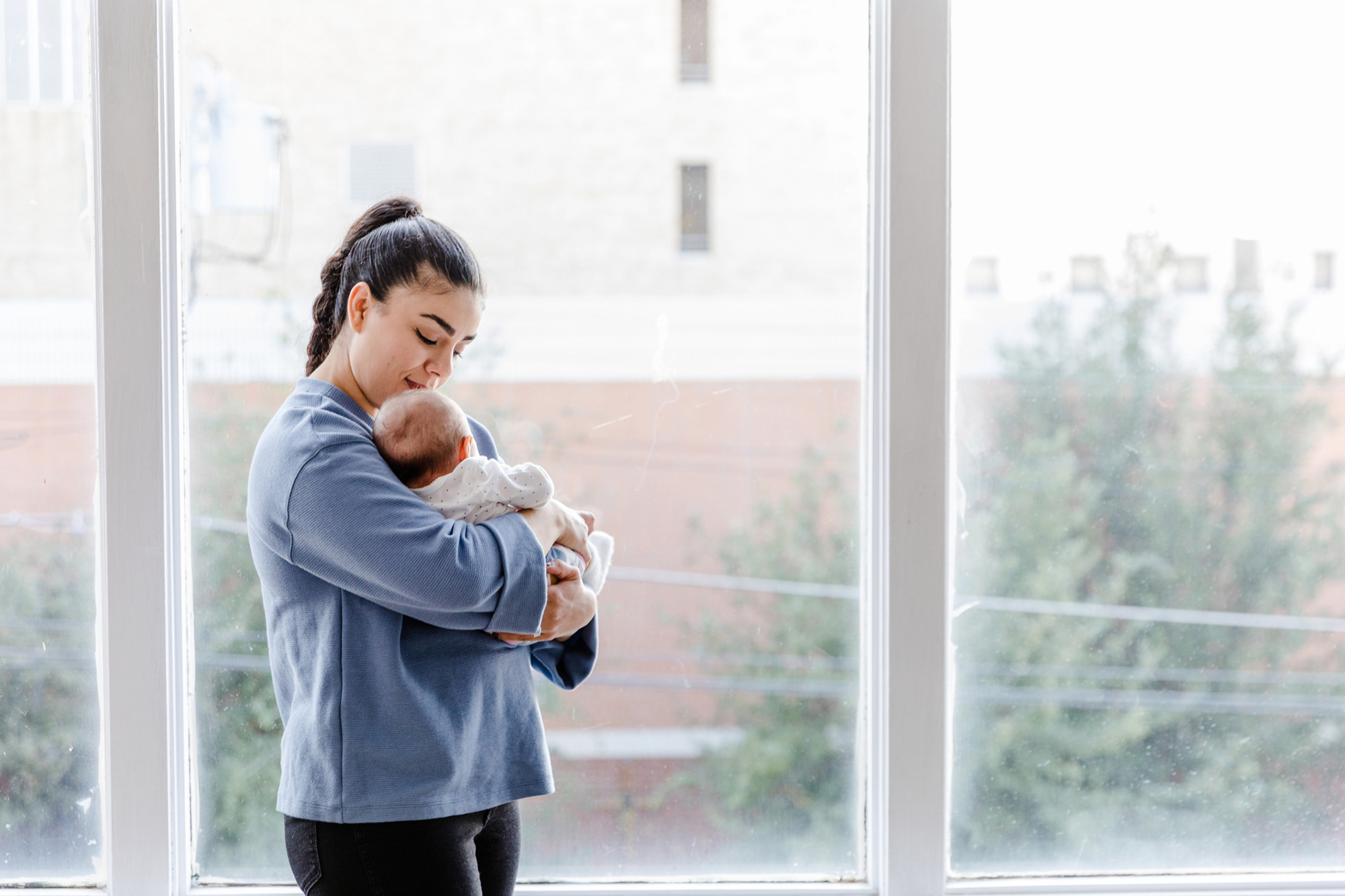
A lot of parents spend months imagining the moments when their babies would arrive; some envision a home birth, others see a hospital birth, and other parents visualize other happy births. Maybe you pictured labor beginning naturally, your partner beside you, immediate skin-to-skin contact, or the relief of finally holding your baby.
Then the birth didn’t go according to plan.
Maybe you needed an emergency cesarean delivery or labor was induced, pain relief didn’t work as expected, or complications made you feel scared and powerless. You may have been separated from your baby or unable to remember parts of the experience clearly.
It’s important to know that even if your experience didn’t go just as you thought it always would go, it’s okay to grieve that birth you hoped to have, but didn’t.
Why Birth Grief Can Be Difficult to Name
People often respond to a complicated birth by saying, “At least the baby is healthy” or “Thank goodness it didn’t turn out worse.” They typically mean well, but those kinds of responses can make a parent feel like they are wrong for mourning a birth experience they didn’t get to have; they can make them feel like they are taking their baby for granted, even when they really aren’t.
You can be deeply grateful for your baby and still feel sad, angry, disappointed, or traumatized by what happened. Those feelings don’t cancel each other out.
Birth grief doesn’t necessarily have to be grief over losing a person. It can be grief over lost expectations, lost choices, lost time with your newborn baby, or a lost sense of safety. Many new parents also grieve the way they expected to feel during the birth.
Maybe you’re one of those parents; instead of joy or empowerment, you might remember fear, confusion, pain, or helplessness.
Signs That a Birth Experience is Still Affecting You
A difficult delivery doesn’t affect everyone in the same way. Some parents feel disappointed for a while and gradually recover. Others continue to experience distress weeks or months later.
Things you might notice can include:
- Replaying the birth repeatedly in your mind
• Avoiding conversations, photographs, or places connected with it
• Feeling guilty or ashamed about how the birth unfolded
• Becoming anxious during medical appointments
• Feeling detached from your body or your baby
• Experiencing nightmares, panic, anger, or unexpected crying
• Feeling frightened about another pregnancy or delivery
These reactions don’t mean you’re weak or ungrateful. They may mean your nervous system is still trying to make sense of an experience that felt overwhelming. Some parents do develop postpartum posttraumatic stress disorder, but many do not. Oftentimes, parents just need help sorting through everything they experienced and their thoughts about it all, and we at Pasadena Perinatal Therapy can help you do exactly that.
You Don’t Have to Decide Whether It Was “Bad Enough”
Parents often put off getting help because they measure their own experience against someone else’s. They think to themselves that another mother went through a longer delivery, a scarier complication, or a baby with more serious medical needs.
But trauma isn’t defined by whose story was the most extreme. What matters is the impact the experience had on you.
At Pasadena Perinatal Therapy, our therapists understand that birth and medical trauma can leave lasting emotional and physical reactions. Through trauma therapy in Pasadena, we can help you process what happened without pressuring you to minimize it, excuse it, or rush toward a positive interpretation.
Space for Healing
Healing doesn’t require you to pretend the birth was different. Therapy can help you hold the whole story. Parts of the experience may have been meaningful, and other parts may have hurt a lot.
All of that can be true. And that’s okay.
During perinatal therapy, we can help you understand your emotional reactions, reconnect with your body, and regain a sense of safety. We can also help you prepare for future medical care or another pregnancy without allowing the previous birth to control every decision.
Support for Birth Grief in Pasadena
You don’t have to justify your pain before asking for help. If your birth experience continues to weigh on you, Pasadena Perinatal Therapy offers compassionate support for parents throughout Pasadena and across California.
Contact Pasadena Perinatal Therapy to learn how therapy can help you process the birth you experienced while making space for the healing you deserve.