 Pasadena Perinatal Therapy
 Pasadena Perinatal Therapy
Blog
Coping with Going Back to Work After Baby
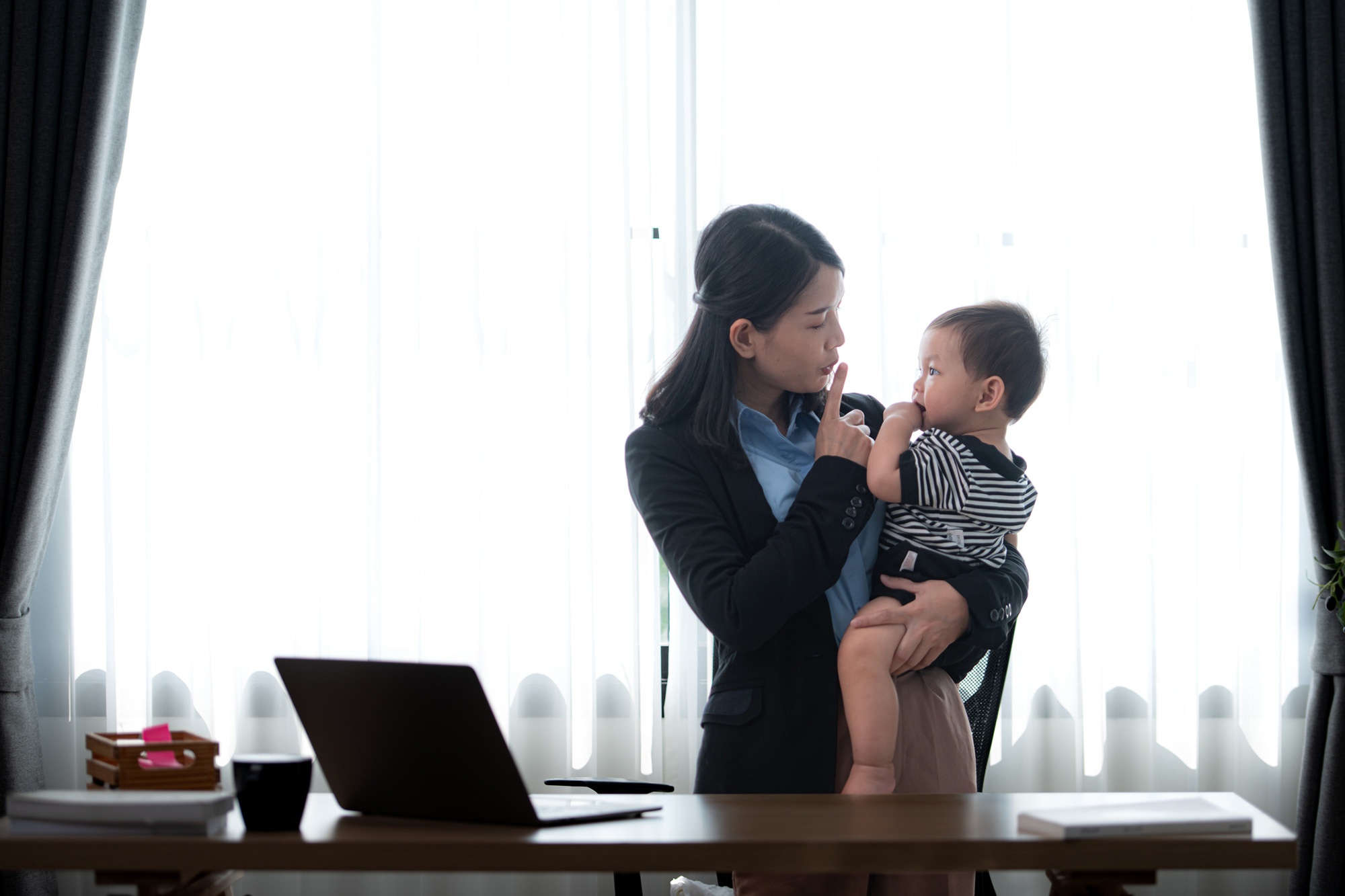
Returning to work after having a baby is often treated like a practical transition. Find childcare. Pack bottles. Adjust the morning routine. Set an alarm and hope everyone sleeps.
Emotionally, it’s almost always much more complicated.
You might miss parts of your professional life and still dread leaving your baby at the same time. You may feel relieved to have adult conversations and then feel guilty for enjoying them. You might question your childcare decisions, your career, your identity, or whether you’re giving enough to anyone. Add this to the million things you already juggle on an “ordinary” basis, and it’s no wonder so many parents are emotionally drained.
There’s no single correct way to feel about returning to work. It can bring relief, grief, confidence, resentment, excitement, and anxiety, sometimes before you’ve even finished your first cup of coffee. And it’s critical to give yourself grace through all of it.
Why the Transition Can Feel So Intense
The postpartum period changes nearly every part of daily life. Your body may still be recovering. Sleep may be unpredictable. Feeding is another huge part of that demanding schedule. At the same time, you may be expected to return to work and function as though very little has changed.
But everything has changed!
Many parents feel pressure to perform two roles perfectly. At work, you may worry that people see you as distracted or less committed. At home, you may fear that working means you’re missing important moments.
At Pasadena Perinatal Therapy, we often hear parents say that it’s that pressure that can have them feel like they are failing both at work and at home, even when they’re exhausting themselves keeping so busy. And, many parents assume that since they feel guilty, it must mean they must be doing something wrong.
The Guilt Doesn’t Mean You’re Doing It Wrong
Working parents often interpret guilt as evidence that they’ve made the wrong decision. In reality, guilt may simply reflect how deeply you care about your child and your responsibilities.
It can also be fueled by impossible cultural expectations. Parents are told to work like they don’t have children and parent like they don’t have jobs. There are just not enough hours in the day for people to accomplish both!
Therapy can help you separate what you value from the world’s crazy expectations. You can examine what matters most to you and make decisions without treating every compromise as a personal failure.
Emotional Challenges After Returning to Work
The transition is difficult by nature, and it may be especially so when you’re experiencing:
- Anxiety about your baby’s safety or childcare
• Frequent crying before or after work
• Trouble concentrating or making decisions
• Guilt when you’re away from your baby
• Resentment toward a partner or employer
• Pressure related to pumping or feeding
• Fear that your baby will become more attached to someone else
• Exhaustion that makes ordinary tasks feel unmanageable
• A loss of confidence in your professional abilities
The American College of Obstetricians and Gynecologists says that postpartum care should be an ongoing process, not a single appointment after delivery. We’re here to provide that help and stay with you every step of the way.
Creating a Realistic Balance
Balance doesn’t always mean giving equal time and energy to every area of life. Some weeks, your baby will need more. During others, work may need more attention. A healthier goal is flexibility, communication, and enough support to keep temporary demands from becoming permanent exhaustion.
At Pasadena Perinatal Therapy, individual therapy can help you manage anxiety, establish boundaries, rebuild confidence, and adjust to your changing identity. You don’t have to choose between caring about your baby and caring about your work. Both can matter.
Postpartum Support for Working Parents in Pasadena
Returning to work after having a baby is an enormous change, and you deserve support while you navigate it.
Contact Pasadena Perinatal Therapy to learn how postpartum therapy can help you find your footing again after your baby arrives.